


Age-Old Wisdom
Rediscover Balance
The Meal-Swap Programme is a gradual plan to adjust your eating habits, balancing nutrition with cereal to build good habits.
Grains Diet Adjustment
Meal Swap

The human body is a remarkably precise instrument. As we age, our environment and poor eating and daily habits build up over time and affect our health, which is all the more reason to start caring for ourselves through our daily diet.
Diet Is an Important Foundation of Health
The Meal-Swap Programme is food-based self-care: balanced nutrition plus a regular routine for everyday health.

The limits of human lifespan are still being researched and debated.
How long we live depends on many factors, including genetics, living environment, diet and daily routine. Building habits of balanced eating, a regular routine and moderate exercise is the foundation of long-term health.

Fast-paced lives and poor routines and eating habits build up over time, leaving us tired and low in energy. With age, body functions decline and the skin may show spots. High blood pressure and cholesterol often show no obvious symptoms, so have regular check-ups.
Human Lifespan:
Unexplored
In many countries, average life expectancy has long been rising.

Millennia of Wellness Wisdom
On distant Mount Gushe dwells a divine being who eats none of the five grains but breathes the wind...
Zhuangzi
“Bigu” comes from the Taoist wellness practice of “not eating the five grains” and was common in ancient times. It began before the Qin dynasty, became popular in the Tang dynasty, and is also called quegu, qugu, juegu, jueli, queli, xiuliang and other names.
Bigu is recorded in many ancient texts. Traditional bigu falls into two main types: qi-ingesting bigu and herb-taking bigu. Qi-ingesting bigu mainly involves going without food and regulating the breath, and its effects still lack scientific evidence; herb-taking bigu means skipping staple foods while eating other supplementary foods. Today we regard bigu as part of traditional culture, and any change to your diet should be made within your own limits.

The Meal-Swap Programme: Entry-Level Bigu
The Meal-Swap Programme is entry-level bigu: Old Recipe cereal for all three meals, so eating is simpler and more regular!
Most people can manage a meal swap at their own pace. It can help you drop bad everyday habits,
build regular eating and move towards a healthier life.

7 Days
The ancients generally regarded 7 cycles (zhoutian) as one great cycle, so Taoism places great weight on the number 7, holding that completing a cycle of 7 in one's practice brings an adjustment of body and mind. The I Ching says, “In seven days comes the return”, meaning 7 days, so quiet retreats usually last 7 days. Today we borrow this tradition and use 7 days as one cycle of dietary adjustment.
In keeping with this tradition, a 7-day meal swap is one cycle: a focused break from oily, sugary and processed food to rediscover regular eating. Meal swaps usually run for 7 days or multiples of 7.
Begin Anew

Cell Autophagy
The term autophagy was coined by Belgian scientist Christian de Duve in 1963. Autophagy is the process by which cells break down and recycle parts of their own structure through the lysosome; it is one of the basic mechanisms that keep cells working normally.
Research by Japanese biologist Yoshinori Ohsumi shows:
Autophagy is vital for cells under stress, such as starvation, and in embryonic development and cell differentiation; cells also use it to clear out damaged proteins and organelles.
About Autophagy
Nutrition is one factor that affects autophagy, and research is mostly at the cell and animal level. A meal swap is not a way to prevent or treat any disease.
Material to break down
Autophagy
Enclosed by membrane
Broken down
and recycled
Scientists discovered many autophagy-related genes, which drove autophagy research forward. Only after many experiments did we come to understand how autophagy works and why it matters to the human body.

Belgian scientist Christian de Duve
Japanese scientist Yoshinori Ohsumi
1974 Nobel Prize
in Medicine
2016 Nobel Prize
in Medicine

Fuses with
the lysosome



Benefits of a Meal Swap
Regularity
Old Recipe cereal replaces your usual meals: lighter, more regular eating, less oily and spicy food, and no overeating for your stomach.


Portions
Measured servings of cereal drink serve as main meals, helping control portions and calorie intake; the dietary fibre in the cereal also helps you feel full.
Meals are low in oil, salt and sugar, helping you cut down on high-fat food and build a habit of light eating.

Eat Light

Regular Routine
Alcohol, late-night suppers and high-fat snacks go on hold, and early nights and early mornings bring your life back to a regular rhythm.

Less Salt
No extra salt is added and meals are lighter, helping you reduce sodium intake and build a low-salt habit.

Slow Down
Life slows down: with fewer rich feasts and social dinners, you have more time for rest, walks and self-reflection.

Daily Care
We avoid oily and spicy food, drink more water and sleep early, building habits that support everyday wellbeing.

Relaxation
Try seated meditation, mindfulness or walking to stay relaxed; if you feel any discomfort, stop the meal swap and consult a doctor.

Nutrition
You set aside your usual unhealthy eating and get nutrients such as protein and dietary fibre from Old Recipe cereal; protein helps build and repair body tissues.



4 Meal-Swap Stages
Caring for your body through diet
Old Recipe cereal replaces meals; oily, sugary and processed food goes on hold as you adapt to lighter eating.
Adjust
1

Some people need time to adjust and may feel hungry or tired. Go at your own pace; if discomfort persists or worsens, stop the meal swap and consult a doctor.
Adapt
2

What you eat is key: Old Recipe cereal provides protein, dietary fibre and other nutrients; protein helps build and repair body tissues.
Nourish
3

Then ease back gradually and keep up light meals, less oil, salt and sugar, and a regular routine: this matters most.
Build Habits
4


Is Built Day by Day
Nutrition, rest and exercise sustain health: eat well, sleep enough, exercise moderately, get regular check-ups.
Good Health
Autophagy is like replacing a car's “parts” and clearing out old “components”: cells break down and recycle damaged proteins, ageing organelles and more. It is a natural cell mechanism, and research is ongoing.
A 7-day meal swap is the entry-level cycle, for first-timers adjusting their eating habits. Check your health first; if in doubt, consult a doctor.
A 14-day meal swap suits people in good health who have done a 7-day one. On medication or with a chronic condition? Consult a doctor first.
21
days
A 21-day swap is longer: only for experienced people in good health. Pregnant, breastfeeding, on medication or chronically ill? You must see a doctor first.
Nutrition and Medication
Cell renewal needs nutrients such as protein, vitamins and minerals. Protein helps build and repair body tissues. But a balanced diet cannot replace medication: if you are taking medication, follow your doctor's instructions and never stop it on your own.
Organ and Cell Renewal Cycles

Gut
Renew very fast
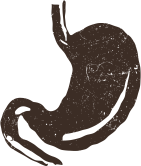
Stomach
Renew very fast
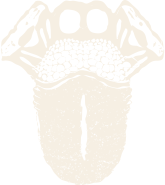
Taste buds
Renew fairly fast

White cells
Varies by type

Lungs
Varies by type
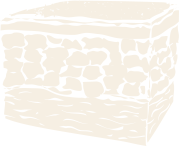
Fat
Renew very slowly

Liver
Renew fairly slowly
Bone
Renew very slowly

Heart
Rarely renewed

Eyes
Varies by type
A 7-day meal swap is the entry-level cycle, for first-timers.
Assess your health first; if in doubt, consult a doctor.
A 14-day meal swap suits healthy people who have done a 7-day one.
On medication or with a chronic condition? Consult a doctor first.
A 21-day meal swap is longer: only for experienced people in good health,
Pregnant, breastfeeding, on medication or chronically ill? You must consult a doctor first.
and stop at once if you feel unwell.

7
days
14
days
21
days

Red cells
Renew fairly slowly

Brain
Varies by type



Who the Meal Swap Suits Best
Good health starts with your diet.
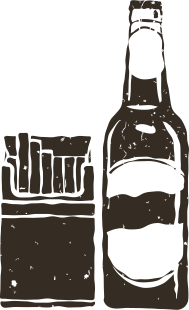
Quitting smoking, drinking or bad habits
Wanting to eat lighter
Seeking regular meals

Valuing daily self-care

Busy, seeking energy
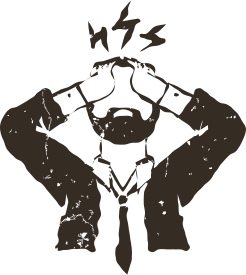
Stressed, irregular routines

Changing diet, nurturing the mind

Adjusting their lifestyle
Wanting lighter meals
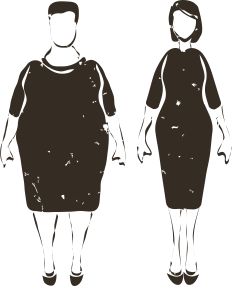
Wanting portion control

Wellness enthusiasts
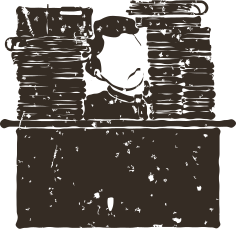
Busy fast-food eaters
Types of Meal Swap
A meal swap is a way to adjust your eating habits; it cannot replace medical care.
A meal swap is a rather special form of light fasting: Old Recipe replaces everyday meals, giving the body a balanced supply of nutrients. Its aim is to step away from oily, sugary and processed food for a while and rebuild light, regular eating habits.
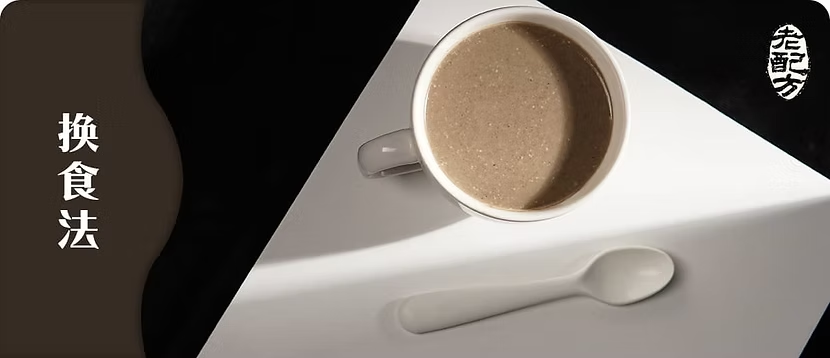
The “Meal-Swap Method” is light fasting: Old Recipe for all three meals, for balanced nutrition.
The aim is a break from oily, sugary and processed food, to rebuild light, regular eating habits.
A 7-day meal swap suits first-timers.
14- and 21-day meal swaps are longer: assess your health before you start, and consult a doctor if needed.
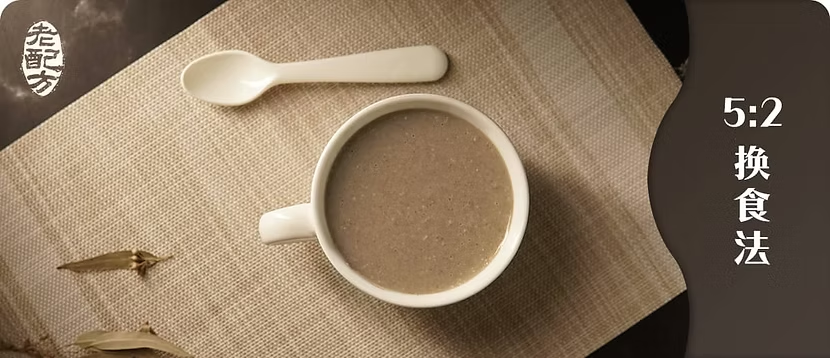
The “5:2 Meal-Swap Method” is intermittent: on two non-consecutive days a week, Old Recipe cereal replaces all three meals, with no special restrictions on the other five days. On swap days, take only Old Recipe cereal and no other food; this helps control that day's calorie intake and gives your eating more rhythm.
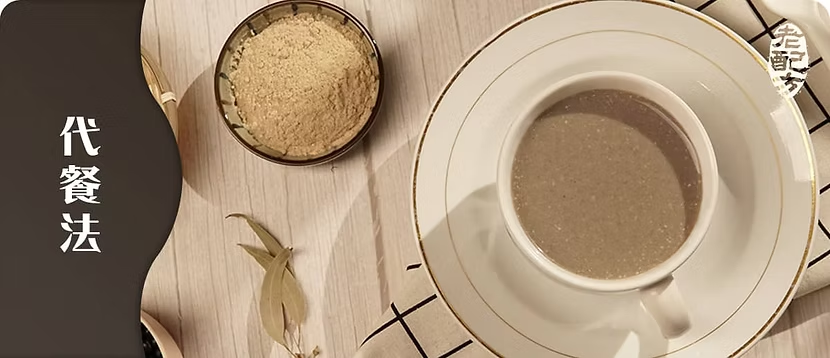
The “Meal-Replacement Method” uses Old Recipe cereal to replace one of your three daily meals. This type of meal swap reduces reliance on your old foods, gives your body a rich, balanced range of nutrients and helps control portions and calorie intake. It can be part of a balanced diet.
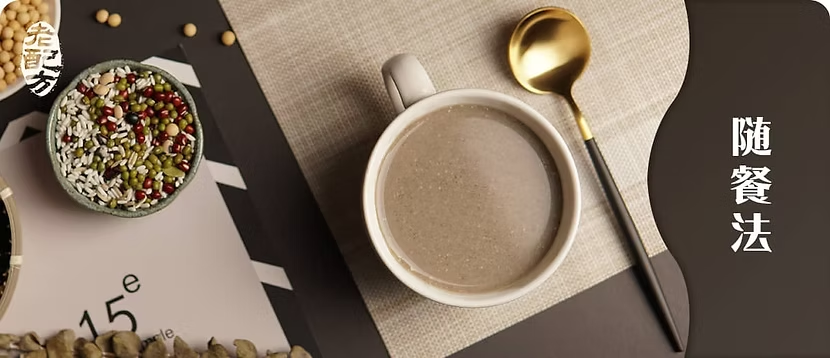
In the “Flexible Method”, “flexible” means easy-going: eat your meals as normal, then add a sachet of Old Recipe before or after a meal to balance your diet, or simply drink it whenever you like. The Flexible Method can be part of a balanced diet and top up your daily nutrition.
-
Drink 8 large glasses of water, and no other drinks such as iced water, juice or soft drinks.
-
Periods: for marked changes or abnormal bleeding, stop the meal swap and consult a doctor.
-
Eating less for the 3 days before makes hunger milder and adapting easier.
-
With fewer calories than usual, some may feel low on energy; go at your own pace and rest more.
-
Days 1–2 feel like eating less. People with more stored energy (hips, thighs, abdomen, liver) cope more easily and can exercise a little; others tire sooner: exercise gently, without pushing.
-
Stools, urine, body odour or breath may change; if this persists or worsens, stop the meal swap and consult a doctor.
-
If weak or swapping over 2 weeks, have thin rice porridge; if still weak, stop the meal swap.
-
No other food, smoking, drinking, late nights or saunas; never stop medication yourself.
-
No late nights: be asleep before 23:00.


Good Tools Make Good Work
A meal swap for wellness should be done step by step; don't rush it, or you may harm your body.
1.
2.
3.
4.
5.
6.
7.
8.
9.
Drink 8 large glasses of water, and no other drinks such as iced water, juice or soft drinks.
Periods: for marked changes or abnormal bleeding, stop the meal swap and consult a doctor.
Eating less for the 3 days before makes hunger milder and adapting easier.
With fewer calories than usual, some may feel low on energy; go at your own pace and rest more.
Days 1–2 feel like eating less. People with more stored energy (hips, thighs, abdomen, liver) cope more easily and can exercise a little; others tire sooner: exercise gently, without pushing.
Stools, urine, body odour or breath may change; if this persists or worsens, stop the meal swap and consult a doctor.
If weak or swapping over 2 weeks, have thin rice porridge; if still weak, stop the meal swap.
No other food, smoking, drinking, late nights or saunas; never stop medication yourself.
No late nights: be asleep before 23:00.
Precautions
Body Responses
Days 1–3
You crave food: the sight or sound of food makes you salivate and your stomach rumble. This early hunger is common; drink more water and rest.
Days 4–7
Hunger may ease; some get a coated tongue, bad breath or fatigue. If it persists or worsens, stop and see a doctor.
Days 8–14
Some feel tired or unwell. Go at your own pace; if it persists or worsens, stop and see a doctor.
Days 15–21
Know your limits; if you feel unwell, stop at once and see a doctor.
After Day 21
Ease back into eating gradually and keep up light, regular habits.
Meal Plan
Stage
Breakfast
Lunch
Dinner
Day 1
(Trial)
Old Recipe
Normal meal
Normal meal
Day 2
(Adapting)
Old Recipe
Old Recipe
Normal meal
Days 3–9
(Meal swap)
Old Recipe
Old Recipe
Old Recipe
Day 10
(Easing back)
Old Recipe
Liquid food
Liquid food
Day 11
(Easing back)
Old Recipe
Semi-liquids
Semi-liquids
Day 12
(Easing back)
Old Recipe

Normal meal
Note: choose low-oil, low-salt food; no barbecued food.
Normal meal
Note: choose low-oil, low-salt food; no barbecued food.
Meal plan notes:
During the meal swap, besides drinking Old Recipe, you may add a low-GI fruit to one of your 3 meals:
kiwi, cherry tomatoes or avocado (only one of these, max 50g).
The above is general information; individual experiences vary. This is not medical advice.

Stage 1
Stage 3
Stage 2

Easing Back
After a meal-swap cycle, you must ease back into eating:
Easing back takes half as long: 3 days after a 7-day swap, so plan 10 days in all.
-
Move slowly from liquid and soft food to normal meals, and don't eat too much at once: your stomach needs time to readjust to solids, and overeating may cause bloating, stomach pain or diarrhoea. If you have chest tightness or pain, or symptoms persist, see a doctor promptly.
-
Some get diarrhoea early on as the gut adjusts to solids: eat less, mainly light, soft, liquid food. If it lasts over two days, or there is blood in your stools or a fever, see a doctor promptly.
-
Easing back matters too. Afterwards, keep to “light meals, less oil and salt, more vegetables and fruit, less meat, no cold foods, 80% full” and carry these habits forward.
Stage 2
50–70%

Have less salt and sugar; eat Stage 1 foods plus semi-liquid, high-fibre vegetables and fruit.
Stage 3
80% full

Normal breakfast and lunch; a light dinner, e.g. greens or oats. Little oil, salt and sugar; no snacks or fast food.
Easing-back meal notes:
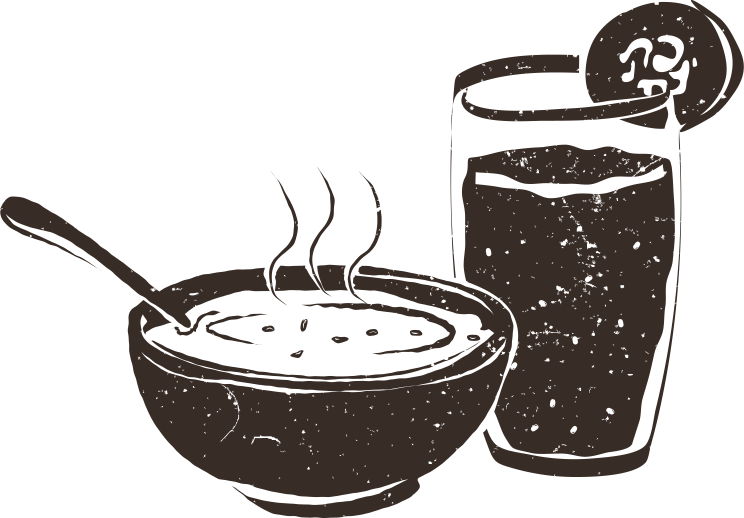
Fruit juice, vegetable juice, brown rice soup, mung bean soup, red bean soup, rice porridge water
Liquids only, no rice or seasoning; build up to 30–50% full.
Liquid food
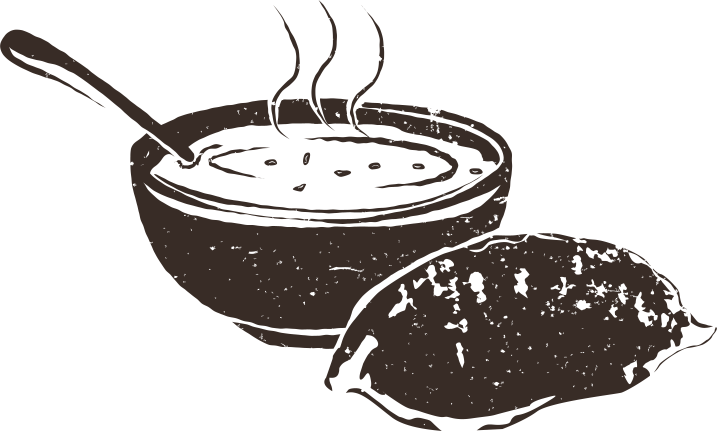
Sweet potato porridge, brown rice porridge, millet porridge, oat porridge, mushrooms, sweet potatoes
No seasoning; about 50–70% full is right.
Semi-liquids
-
Your eating habits may change after a meal swap, and that's normal. Learn to listen to your body rather than always obeying your brain: the body is often much wiser!
About Common Discomforts
As your diet and calorie intake change during the meal swap, some people may experience physical discomfort. Below are common situations and suggested responses, for reference only; this is not a medical diagnosis.
These discomforts do not mean an illness is getting better or that you are “detoxing”. If symptoms persist or worsen, or you have bleeding, chest pain, difficulty breathing or fainting, stop the meal swap immediately and see a doctor promptly. If you are taking medication, pregnant or have a chronic condition, consult a doctor before starting a meal swap.
Discomfort
Advice
Skin
Itchy skin
-
May be due to dryness, allergies or other issues; not detoxing.
-
Diet changes can dry the skin; drink water and moisturise.
-
Lasting, worse or with a rash? Stop the swap; see a doctor.
-
With a fever or widespread red rash, see a doctor promptly.
Itchy scalp, dandruff
As your diet changes, some people may get an itchy scalp or more dandruff; if this persists or worsens, stop the meal swap and consult a doctor.
Small red swellings, red patches, hives
Red, swollen skin or hives may appear; with vomiting or if worse, stop the meal swap and see a doctor.
Broken, weeping, peeling or dry skin, local swelling, blisters
Skin may become dry or peel; if it breaks down, weeps or blisters, stop the meal swap and see a doctor.
Worse acne
While your diet changes, some people may get more acne; if this persists or worsens, stop the meal swap and consult a doctor.
Darker facial spots, dull complexion
As your diet changes, some people may find their complexion duller or spots more visible; if this persists or worsens, stop the meal swap and consult a doctor.
Pale, sallow face
With fewer calories during the meal swap, some people may look pale or feel dizzy, which are signs of low blood sugar. Rest more; if this persists or worsens, stop the meal swap and see a doctor.
Sagging skin
As your diet changes, some people may feel their skin is looser; keep up your usual facial skincare, and if it persists, consult a doctor.
Small red bumps
Small red bumps may appear on the arms, between thumb and forefinger, on the backs of the hands, the neck and elsewhere; if they persist or worsen, stop the meal swap and consult a doctor.
Spots in places
-
Back: may be from sweat, oil or clothing friction.
-
Chest, belly: sensitive skin or sweat; keep clean and dry.
*Spots elsewhere that last or worsen: stop the swap, see a doctor.
Sores, red rashes or eczema-like patches anywhere
Pus, intense itching or spreading? Stop the swap; see a doctor.
Athlete's foot, sores, ringworm, rotting or pus-filled skin, hand eczema
These skin problems are not “detoxing”. If they persist, produce pus or worsen, stop the meal swap and see a doctor.
Drug rash (drug-induced dermatitis), urticaria (hives)
A drug rash or urticaria may be an allergic reaction, not “detoxing”. Stop the meal swap and see a doctor promptly; if you take medication, consult your doctor.
Jaundice
Yellowing of the skin or the whites of the eyes may be related to liver or gallbladder problems; it is not a sign of improvement. Stop the meal swap immediately and see a doctor promptly.
Thread veins
If thread veins appear, stop the swap and see a doctor.
Bruising
If you bruise easily, stop the meal swap and see a doctor.
Pimples
If it persists, consult a doctor.
Nose
Runny nose, sneezing
Some people may get a runny nose or sneeze; if this comes with a fever, persists or worsens, consult a doctor.
Nosebleeds, yellow nasal discharge
Nosebleeds are not “detoxing”. If the bleeding won't stop or keeps coming back, stop the meal swap and see a doctor.
Mouth
Toothache, sore throat,
mouth ulcers, bleeding gums
Some people may have mouth discomfort during the meal swap; rinse your mouth often and drink more water. If there is bleeding, or it persists or worsens, stop the meal swap and consult a doctor.
Cough, lymph node pain,
itchy mouth, red swollen throat
A cough, red swollen throat or painful swollen lymph nodes may be related to an infection or other causes; stop the meal swap and consult a doctor.
Cracked lips, thick tongue coating,
bad breath, dry mouth, dry tongue, bitter taste
Early in the meal swap, as your diet changes, some people may get a thicker tongue coating, bad breath, a dry mouth or a bitter taste. Drink more water and keep up oral hygiene; if this persists or worsens, stop the meal swap and consult a doctor.
Cough with lots of phlegm (with wheezing, dizziness)
Phlegmy cough, wheezing or dizziness? Stop the swap; see a doctor.
Numb tongue
Some people may get a numb tongue; if it persists or comes with other discomfort, stop the meal swap and see a doctor.
Eyes
Watery eyes
If it persists, consult a doctor.
Declining eyesight
Changes in your vision do not mean your body is improving. If your vision becomes blurred or worse, stop the meal swap immediately and see a doctor promptly.
Lots of eye discharge, red swollen eyes,
dry or painful eyes
Possibly inflammation; stop the swap and see a doctor.
Ears
Ear pus, itchy ears
Pus from the ear may be related to an infection and is not “detoxing”. If you have itchy ears, pus or swollen gums, stop the meal swap and see a doctor.
Swelling in front of the ear (Tinggong point)
If it lasts, stop the swap and see a doctor.
Tinnitus
If ringing persists or worsens, stop the swap and see a doctor.
Body
Weight gain
Weight changes vary; if in doubt, consult a doctor.
Weight loss
Weight changes vary from person to person, and a meal swap is not a weight-loss method; if in doubt, consult a doctor.
Swollen limbs,
body or one side
Swelling may be related to kidney, heart or other problems and is not “detoxing”. If you notice swelling, stop the meal swap and see a doctor promptly; people with poor kidney function must consult a doctor before a meal swap.
Numbness, tingling or electric-shock feelings in hands and feet
If it lasts, stop the swap and see a doctor.
Backache
If lower back pain or aching persists or worsens, stop the meal swap and consult a doctor. For problems such as a slipped disc, follow your doctor's treatment advice.
Body odour, foul-smelling sweat, foot odour, bad breath, underarm odour
Keep clean and drink more water; if it persists, see a doctor.
Cold or clammy sweats, in places or all over
Some people may get cold or clammy sweats; if this comes with dizziness, palpitations or weakness, it may be low blood sugar or another condition, so stop the meal swap and see a doctor.
Local muscle aches, swelling or stabbing pain
While your diet changes, some people may get muscle aches; if they persist or worsen, stop the meal swap and consult a doctor.
Pain that moves around; aches or stabbing pain in the hips, neck or lower spine
If pain persists or worsens, stop the swap and see a doctor.
Headache, dizziness
-
With fewer calories, some may feel dizzy or get headaches.
-
Early in a diet change, the body needs time to adapt.
-
Rest, hydrate; if severe or lasting, stop the swap, see a doctor.
-
With high or low blood pressure, see a doctor before swapping.
Lower back pain, tightness or aching
If back discomfort persists, worsens, or comes with a fever or blood in the urine, it may be related to kidney or urinary problems; stop the meal swap and see a doctor.
Gallbladder pain
Pain in the upper right abdomen may be related to liver or gallbladder problems and is not a sign of “unblocking”; stop the meal swap and see a doctor promptly.
Leg cramps, muscle spasms, muscle tightness
If it recurs, lasts or worsens, stop the swap and see a doctor.
Joint pain
For joint pain, gout and similar problems, follow your doctor's treatment advice and never stop painkillers or other medication on your own. If joint pain persists or worsens during the meal swap, stop the meal swap and see a doctor promptly.
If the pain is unbearable, stop the swap and see a doctor soon.
Aching shoulders
If it persists or worsens, consult a doctor.
Random body pain
Irregular pain during the meal swap is not a sign of tissue regeneration; if it persists or worsens, stop the meal swap and consult a doctor.
Condition worsens
If an existing illness or pain gets worse during the meal swap, it does not mean it is improving; it may mean your body cannot cope. Stop the meal swap immediately and consult a doctor, and don't delay treatment.
If discomfort persists or worsens, stop promptly; this is not “giving up halfway”. Your health matters more than finishing a cycle. Any questions? Consult a doctor.
Hair loss
While your diet changes, some people may lose more hair; if this persists or worsens, stop the meal swap and consult a doctor.
Unexpected areas
If it persists, see a doctor.
Feelings
Insomnia, light sleep, not feeling sleepy;
[or]
drowsiness, sleepiness, hard to wake up, tiredness, dozing off, lethargy
While your diet changes, some people may have insomnia or drowsiness. Keep a regular routine and rest more; if it keeps affecting daily life, stop the meal swap and consult a doctor.
If you have these symptoms during the meal swap, you can:
-
Pat the Yongquan point on the sole of each foot with your palm 100 to 200 times to help promote blood circulation;
-
Soak your whole body or your feet in hot water for 10–20 minutes before bed to help you relax and sleep better;
-
In the morning and evening, place a warm towel gently over your ears for 5–10 minutes to help you relax;
-
If you are really tired at work, take a nap of about 15–20 minutes during your break to ease sleepiness.
Keep a regular routine, relax before bed and don't push yourself. If you take sleeping pills or other medication, follow your doctor's instructions and never stop on your own; if insomnia persists, stop the meal swap and consult a doctor.
Feeling energetic
Experiences vary from person to person.
Dizziness
Dizziness may be related to low blood sugar, low blood pressure, dehydration or other causes. If you feel dizzy, sit down and rest immediately and stop the meal swap; if it persists or worsens, see a doctor promptly.
Weakness
Some people who relied heavily on food feel weak after just one day, because we give up our usual high-calorie diet and drink only Old Recipe cereal, and the body cannot adapt yet.
Fever
Stop the meal swap and see a doctor.
Night sweats
If it persists, stop the meal swap and consult a doctor.
Distrust of the meal swap, worry, fear of being scammed, doubt
Having doubts is normal. A meal swap is not compulsory and you can stop at any time; if you have any questions, consult a doctor first before deciding whether to go ahead.
Strong reactions, fear, palpitations, racing heart, chest tightness
Palpitations, a racing heart or chest tightness do not mean your body is improving. If any of these occur, stop the meal swap immediately and see a doctor promptly.
General weakness, aches all over, fever
Weakness, aches all over or fever? Stop the swap; see a doctor.
Feeling cold all over
Some people may feel the cold more; if feeling cold all over persists or comes with other discomfort, stop the meal swap and see a doctor.
Rapid breathing, shortness of breath,
fast heartbeat
Stop the meal swap and see a doctor.
Anaemia
or heart problems
Ask a doctor first; palpitations or chest tightness? Seek care now.
Irritable, moody
Some people's moods may fluctuate more while their diet changes; if emotional distress persists or worsens, stop the meal swap and seek help from a doctor.
Depression, hearing or seeing things, delusional thoughts, mental sluggishness, disordered thinking
If you have depression, hear or see things, or have disordered thinking, stop the meal swap immediately and see a doctor promptly. If you have a mental health condition, consult a doctor before a meal swap.
Five senses
The five senses: sight (eyes), hearing (ears), smell (nose), taste (tongue) and touch (whole body).
Senses, appetite or energy may dip; if this persists or worsens, stop the meal swap and consult a doctor.
Dulled
Sharp
Some find taste and smell sharper than usual; this varies from person to person.
No particular feeling
Experiences vary; noticing nothing is also normal.
Gut
Constipation
No urge
Eating less means less gut residue and a weaker urge; this is common and returns once you eat normally.
Urge, but can't go
Gut-bacteria imbalance or too little water or fibre can cause constipation. Drink more water and do gentle tummy exercises; if it persists or comes with abdominal pain, stop the meal swap and consult a doctor.
Black stools
Black stools may be a sign of bleeding in the digestive tract, not “old built-up waste”. If you have black stools, stop the meal swap immediately and see a doctor promptly.
Bloody stool, vomit
Safety note: blood in the stools or vomiting blood is not “detoxing” and does not mean your body is improving. If you have blood in your stools, vomit blood, or have black stools, persistent severe abdominal pain, chest pain, difficulty breathing or fainting, stop the meal swap immediately and see a doctor promptly. If you are taking medication, pregnant or have a chronic condition, consult a doctor or pharmacist before starting a meal swap.
Bleeding piles
Not body rebalancing; stop the swap and see a doctor promptly.
Diarrhoea
While your diet changes, some people may get diarrhoea; drink plenty of fluids. If it happens several times a day, persists, or comes with a fever or blood in the stools, stop the meal swap and see a doctor.
Appetite
May drop as diet changes; if it persists, consult a doctor.
Less
More
Appetite varies; keep to regular meals and portions.
Hunger
A common response to a change in diet.
Stomach pain, vomiting, burping, more wind
Some people may get stomach pain, burping or more wind; if you vomit, or stomach pain persists or worsens, stop the meal swap and see a doctor. People with stomach problems should consult a doctor before a meal swap.
Cramps, abdominal aches or pain
If it recurs, lasts or worsens, stop the swap and see a doctor.
Bloating
Some people may feel bloated; drink more water. If bloating or abdominal pain persists or worsens, stop the meal swap and see a doctor.
Blood
Blood clots
Any unexplained bleeding, blood clots or blood in phlegm is not “clearing stagnant blood”. Stop the meal swap immediately and see a doctor promptly.
Urine
Pungent urine,
foamy urine,
more urine
Your urine may change while your diet changes; drink more water. If your urine is cloudy, stays foamy or comes with pain, it may be related to urinary problems; stop the meal swap and see a doctor.
Green urine
Unusual urine colour: stop the swap and see a doctor.
Cloudy urine
May be a urinary problem; stop the swap and see a doctor.
Blood in urine
Not “stones loosening”; stop the swap at once and see a doctor.
Urine protein
Needs a doctor's assessment; stop the swap and see a doctor.
Chronic illness
With a chronic illness, consult a doctor before a meal swap; test results should be read by a doctor, and never stop medication on your own.
Blood lipids
Lipid results may change with your diet and should be read by a doctor; never stop or cut medication yourself.
Rise
Fall
A meal swap does not lower blood lipids. For high cholesterol and similar problems, follow your doctor's advice and have regular check-ups.
Blood sugar
Rise or fall
Blood sugar may fluctuate. If you have diabetes or take glucose-lowering drugs, a meal swap may cause low blood sugar, so consult a doctor first; if dizzy, in a cold sweat or with palpitations, stop the meal swap at once and see a doctor.
-
Blood sugar is regulated by insulin and other hormones. With diabetes or blood sugar problems, consult a doctor before a meal swap.
-
Insulin is a hormone secreted by the beta cells of the pancreatic islets. It helps the body use glucose for energy by moving sugar (glucose) from the blood into cells. When we eat, the pancreas releases insulin into the blood in response to rising blood sugar.
Blood pressure
High blood pressure often has no symptoms: check it regularly. A meal swap can't replace medication: follow your doctor, never stop or cut it yourself. If it changes or you feel unwell, stop the meal swap and see a doctor.
For blood-pressure drugs, consult a doctor or pharmacist.
Rise
Fall
If dizzy, weak or faint, stop the meal swap and see a doctor promptly; with low blood pressure, consult a doctor first.
Women's health
Period pain, lighter/heavier periods, lingering bleeding, early/late periods, irregular cycles
Periods may change with diet. If clearly abnormal, heavy or prolonged, stop the meal swap and consult a doctor. The body is weaker during a period, so avoid a meal swap then.
Period won't stop, prolonged bleeding
If so, stop the meal swap and see a doctor promptly. Start 2–3 days after a period ends.
White/yellow discharge
Keep clean; if it persists or smells, consult a doctor.
Period returns
Bleeding after menopause is not “turning back the clock” and may be a warning sign: stop the meal swap at once and see a doctor promptly.
Breasts smaller/softer
Can follow weight change; for a lump, pain or other change, see a doctor.
Breast tenderness
If it lasts, stop the swap and see a doctor.
Nipple pus or fluid
This is not “detoxing” and may need checking: stop the meal swap and see a doctor promptly.
More discharge
If it lasts, smells or itches, stop the swap and see a doctor.
Lower belly pain
If it lasts or worsens, stop the swap and see a doctor soon.
Periods stop
Stopped or late? Stop the meal swap and consult a doctor; if you could be pregnant, check first.
Men's health
Itchy scrotum
Some people may get an itchy scrotum; keep up hygiene, and if it persists or worsens, stop the meal swap and see a doctor.
Unable to pass urine, frequent, urgent or painful urination
These may be related to urinary or prostate problems; stop the meal swap and see a doctor promptly.
Impotence
If sexual function changes, stop the swap and see a doctor.
For any discomfort not listed, or any symptom that persists or worsens, stop the meal swap at once and consult a doctor. A meal-swap coach can help with your meal plan but cannot replace a doctor's diagnosis and treatment.
Important notes
-
Discomfort during the meal swap is not necessarily an “adjustment reaction”. If you have low blood sugar, low blood pressure or severe anaemia and develop sweating, hunger, a racing heart, trembling or a pale face, drink some sugar water immediately for energy and stop the meal swap. People with high blood pressure, coronary heart disease, diabetes, hyperthyroidism and similar conditions, as well as older or frail people, should consult a doctor before a meal swap and keep taking their medication as prescribed. If you have acute symptoms such as severe abdominal pain or chest pain, go to hospital immediately.
-
Old Recipe is not a medicine or a health supplement; it is a cereal food. If you have persistent or severe discomfort during the meal swap, stop the meal swap and consult a doctor.
-
Tips to ease discomfort: drink plenty of warm water, rest more, take walks where the air is fresh, do some gentle stretching, go to bed early and get up early, and stay relaxed. If discomfort persists or worsens, stop the meal swap and consult a doctor.